



Testing, integrating, or migrating a backend platform has traditionally required a meaningful upfront investment. Before a team can even experiment with real gameplay flows, developers usually need to:
- install and validate SDKs
- configure environments correctly
- understand authentication flows and service dependencies
- learn how different services interact
- avoid subtle integration mistakes that only appear later in production
Even with strong documentation, this process can take days or weeks before a team can confidently test backend functionality inside a real project.
For studios running live games, the barrier is even higher. Systems such as identity, progression, matchmaking, and entitlements must behave reliably at scale. Any backend change needs to be evaluated carefully, which makes even testing a new platform feel risky and time consuming.
As a result, many teams delay or avoid evaluating new backend infrastructure altogether. That is the barrier we set out to reduce.
Lowering the Barrier to Testing & Integrating AccelByte
We have been working to reduce the upfront effort required to test, integrate, or migrate to AccelByte.
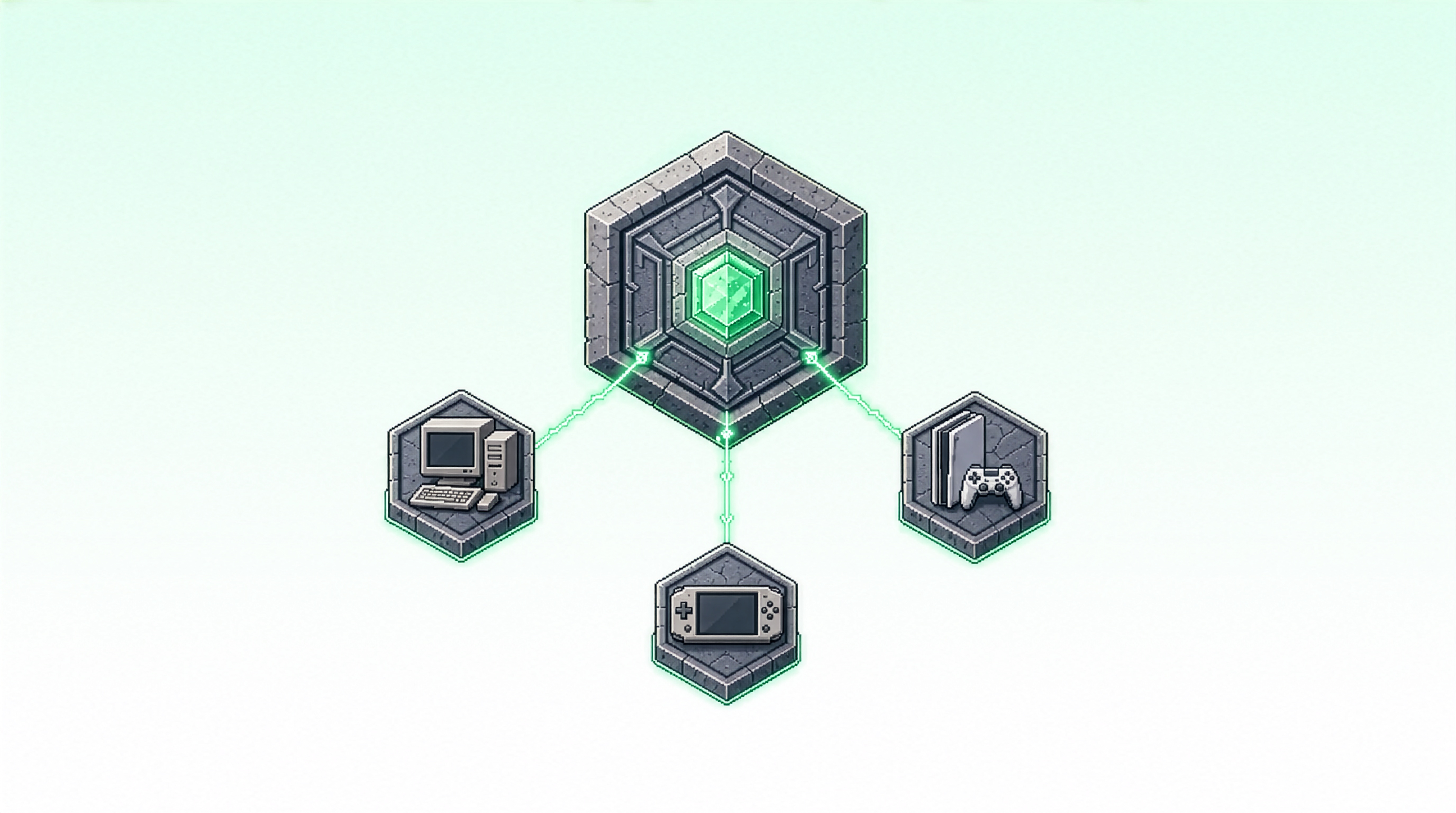
To do this, we built an MCP server that exposes structured knowledge of the AccelByte SDKs and recommended integration patterns. Instead of manually discovering how services fit together, developers can now use tools connected to the MCP server to generate backend integrations much more quickly.
The AccelByte MCP server is open and freely available on GitHub. It works with AI assistants that support the Model Context Protocol, which means developers can use it inside their preferred editor, IDE and command line workflow.
This allows teams to experiment with AccelByte using the tools and environments they already use.
Combined with the AccelByte Shared Cloud free trial, studios can now stand up real backend flows quickly and evaluate how AccelByte fits into their game without committing weeks of engineering effort.
Teams can move from evaluation to experimentation much faster, often going from sign-up to a working backend flow in hours.
How It Works: MCP-Powered SDK Context
The AccelByte MCP server exposes structured knowledge about how AccelByte services and SDKs work together.
This includes information about:
- SDK architecture and initialization patterns
- service relationships and dependencies
- recommended integration flows
- configuration requirements for different environments
Tools and AI assistants connected to the MCP server can use this context to generate backend integrations directly inside a project. For example, developers can quickly generate:
- correct SDK initialization
- authentication and login flows
- service wiring for systems such as matchmaking, progression, and entitlements
- environment configurations
- production aligned request and response patterns
These workflows can run inside the development environments studios already use.
For example:
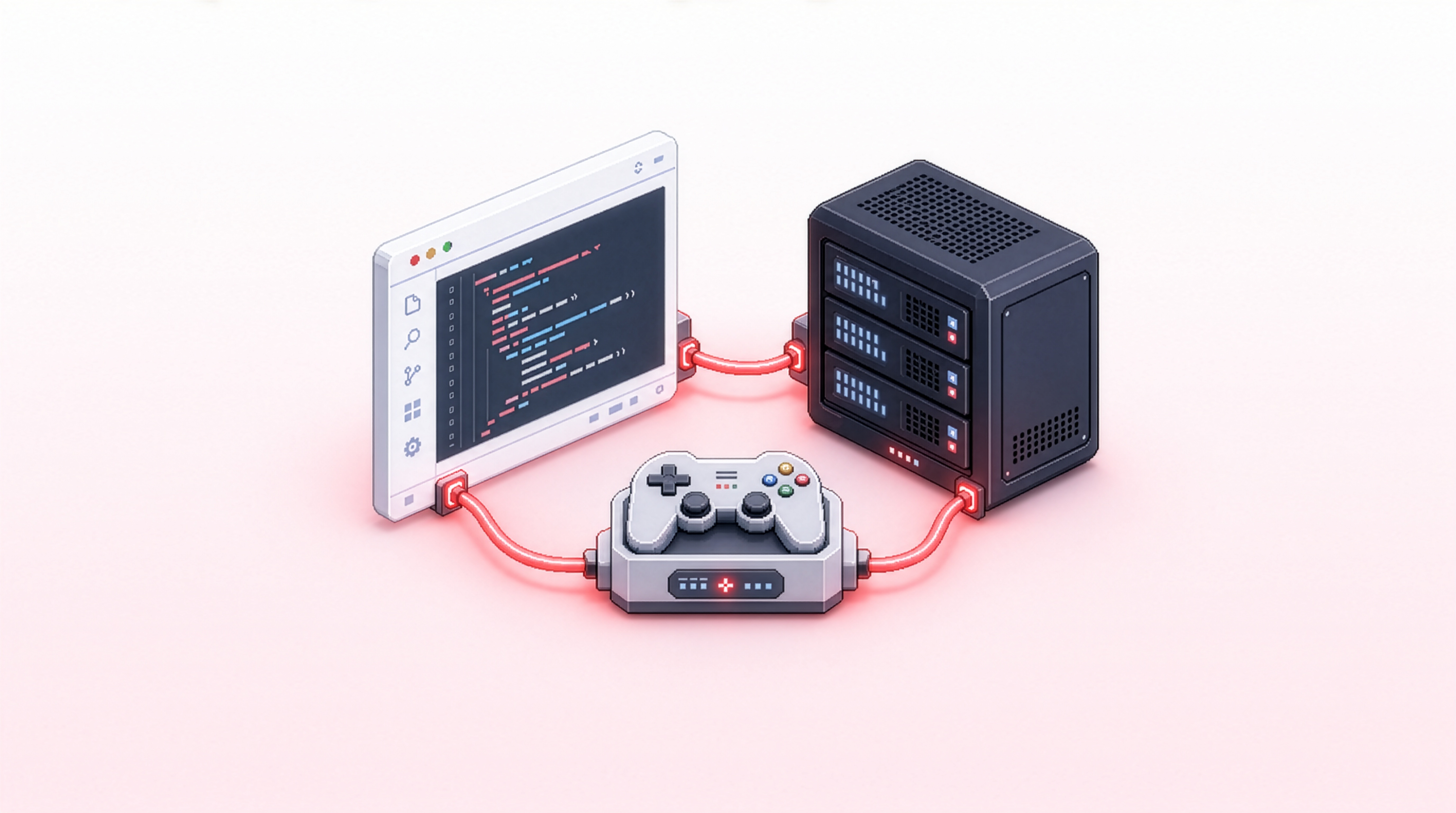
- Developers can use an AI assistant connected to the MCP server inside Visual Studio, VS Code, or even just the command line to generate integrations directly within their project.
- Unreal developers can access the same capability inside the Unreal Editor through Aura, which uses the MCP server’s SDK knowledge to generate integrations aligned with Unreal structure.
This goes beyond simple API autocomplete. The MCP server understands how AccelByte services interact and how real game backends are expected to behave. As a result, generated integrations follow recommended AccelByte integration patterns, helping developers avoid common mistakes such as:
- incorrect service initialization order
- incomplete authentication flows
- missing error handling paths
- misconfigured environment settings
This ensures the generated code is not only functional, but also aligned with patterns used in real production integrations.
What Studios Can Now Do Faster With Less Risk
With structured SDK knowledge exposed through the MCP and accessible through existing development workflows, studios can stand up real backend flows much earlier in the development process.
Instead of spending weeks navigating SDK documentation and wiring services manually, developers can quickly generate working integrations and begin experimenting with AccelByte inside a real project.
This allows teams to:
- test backend functionality against real gameplay flows
- validate authentication and service integrations early
- implement core systems such as matchmaking, progression, and entitlements
- experiment with backend architecture before committing to a full migration
This approach is particularly valuable for live games.
Studios can evaluate AccelByte without immediately replacing their existing systems. Instead, they can incrementally implement equivalent flows inside their existing codebase and validate behavior every step.
Go From Sign-Up to a Working Backend Flow in Hours
Connect the MCP server to your AI assistant and generate SDK integrations, auth flows, and service wiring directly inside your project. AGS public cloud is free during development until you hit 30 concurrent users, plus a 90-day free trial if your game is already live. If you'd rather want a walkthrough first, let's talk!
Featured Blog Posts
Featured Customer Stories

Bring your first player online today.
Get started for free, and scale as your game grows.